Innovation and competitiveness: Industry 4.0
29/10/2021
For better or worse, we live in a fiercely competitive world where the companies that thrive are the ones most willing to innovate: those that stay alert to…
For better or worse, we live in a fiercely competitive world where the companies that thrive are the ones most willing to innovate: those that stay alert to changes in their environment and respond with improvements to their production and organisation models, or to the way they distribute and present their product.
And this is where technology comes into play, as a key driver of innovation. That is why so many companies now have R&D&i departments dedicated to finding the competitive advantages that will help them stand out and set themselves apart from the rest of the market.
The process of innovation in business
Companies have to evolve in order to build greater productive capacity, always meeting the demands of the market. It is the market that pushes them to keep up to date and, in one way or another, to redesign their business in order to prosper, and that can only be achieved through innovation.
When we talk about innovation, we do not just mean pouring all the effort into technological change, but covering every area of the company. Business innovation means improvements to activity through business models, processes, organisation, products or commercialisation, in order to make the business more efficient and secure a stronger position in the market.
Five types of innovation for companies
Innovation in the business or management model, such as a new way of serving customers; online banking is a perfect example of how important it is to generate value. Process innovation, with new and better manufacturing, logistics or distribution processes, such as Inditex's stock-free collection system. Market innovation, with new marketing, design or distribution methods, such as selling tickets over the internet. Product or service innovation, introducing new or improved products that still embody the brand identity, such as Nestlé's Nespresso capsules. And organisational innovation, with new methods for organising work and managing external relationships.
Research, development and innovation (R&D&i)
Most companies already have an R&D&i department. Research is the set of intellectual and experimental activities aimed at increasing knowledge about a subject so it can be applied to business development. Development is the part where that knowledge is applied to manufacturing or bringing new materials or products into service. And innovation makes it possible to discover new products or technological improvements to existing ones: the entrepreneur's role is to spot a new business opportunity and put it into motion.
Business competitiveness
It is essential for a company to have action strategies, especially in decision-making. Among them are competitive strategies, whose aim is to improve the company's position relative to others in the sector by finding the advantage that sets it apart. Competitiveness is the ability to develop competitive advantages that secure a leading position, and a good competitive strategy is one that is hard to imitate.
Here another key element comes in: the value chain, the internal analysis through which a company breaks its activity down into processes in order to examine each one separately, identify where the source of competitive advantage lies and shed the parts that do not generate value and could be outsourced.
Technology as the key to business innovation
Technological innovation relates to the introduction of a new or improved product, an advance in knowledge, the use of the latest production techniques or an increase in productivity thanks to new processes. It can be applied in every area of the company: in production, with processes or machines that have new attributes; and in administration, with the management and transformation of information.
Industry 4.0, or the fourth industrial revolution
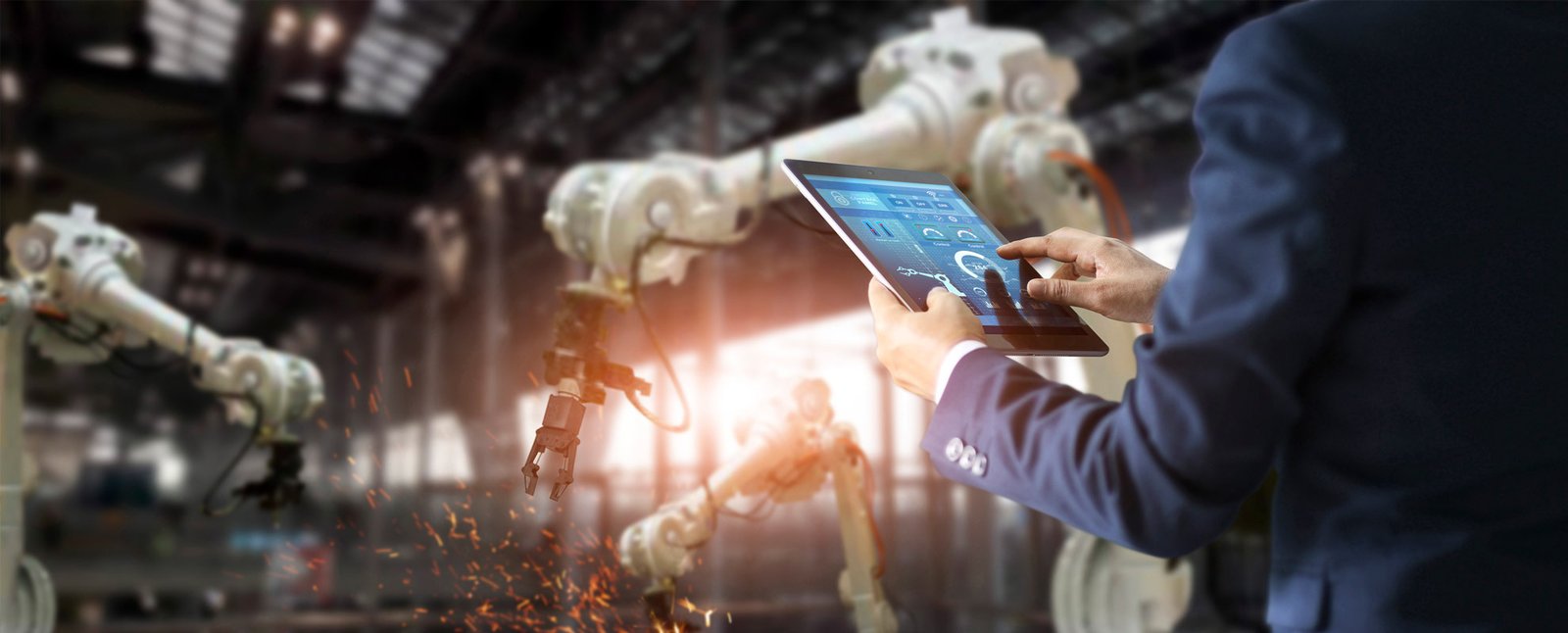
Industry 4.0 is about introducing digital technologies into factories, what we now call "smart factories": digitally transforming the entire production process through sensors and information systems. Companies will have to keep up, since this will become a source of competitiveness, in labour costs as well as energy consumption and social commitment. Using connected digital platforms makes it possible to adapt constantly to demand, serve customers in a more personalised way, provide one-to-one after-sales service and design, produce and sell products in less time.
Internationalisation as an opportunity for development and innovation
Today no country is self-sufficient: every one of them needs to exchange products. Globalisation pushes markets and companies to expand until they reach a global scale. When a company goes international it opens up to international markets, and among the keys to success are specialisation and differentiation, training and knowledge and, ultimately, innovation. Internationalisation and innovation should go hand in hand and reinforce each other.
Conclusion
Technologies for innovation and Industry 4.0 offer countless advantages: protecting business assets, securing confidential information and digitalising production processes and methods. At Neurafy we give you the assurance that, with technological innovation, you can do (almost) anything, because we have already helped many companies improve their results and their market position. The crucial thing is that you, as a business owner, ask yourself the right questions to work out what you want to achieve and how far you are willing to take your business.