The 7 leading user experience trends in 2021
14/10/2021
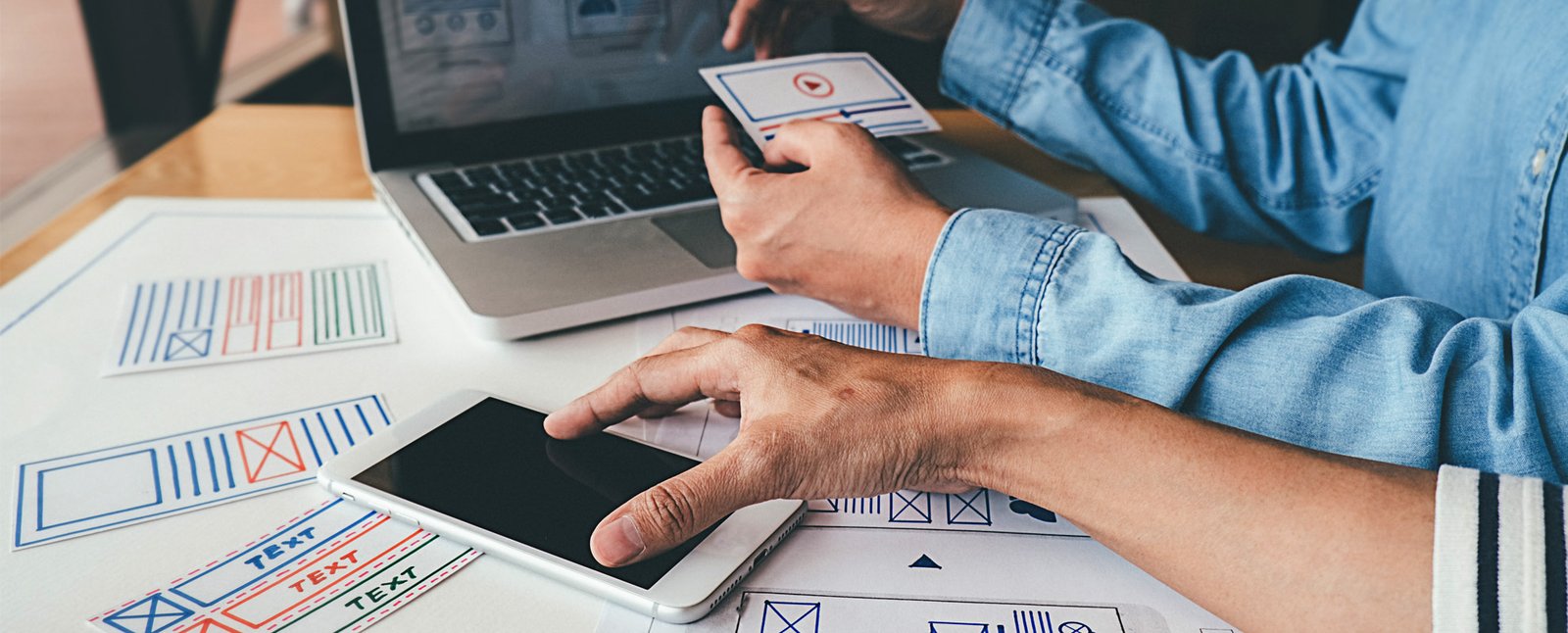
User experience (also known as UX) is the way a user relates to a product.
User experience (also known as UX) is the way a user relates to a product.
In essence, it measures whether a product is easy to use, accessible to anyone and built around smart design.
We know it is a concept that can be hard to pin down, so let's make it concrete with two telling examples:
- Good User Experience: iPhone
- Bad User Experience: the Renfe website
So yes. A good user experience is essentially about getting the user to use the product naturally, without even noticing they are doing it.
That is why, from the very start, people have said user experience is like glass. The more transparent it is, the higher its quality.
Minimalism has always been the ultimate goal in UX design.
Something is changing, though. While a seamless experience is still the aim, the future of UX design seems to be heading in a more visible direction.
Trends after Covid-19
The new reality that emerged after Covid-19 is accelerating digital transformation and sparking UX trends so innovative that it is impossible not to take notice.
And no. We do not have a crystal ball to read the future, but we know the subject well and we keep a close eye on everything that moves. So here is our take.
These are the user experience trends set to take off.
1. A unique interface for each user
There is a clear trend toward personalizing interface design on websites. This means each user sees a different site depending on who they are and what they prefer.
To make this happen, the brand creates individual content and recommendations based on the information the user provides: date of birth, browsing history, orders, favorites and so on.
The goal is to make every web visitor feel the content was created especially for them, and in doing so raise the conversion rate.
In the future, interfaces will be even more personalized, changing their look, the position of elements, colors and text for each individual.
Sounds like science fiction? Think about the personalized suggestions on Spotify, Netflix or Amazon.
2. More motion
One of the main goals of user experience is to encourage interaction, getting the person in front of the screen to engage and respond to stimuli.
We are seeing interactions being driven by animations. For example, when the user clicks, the button changes color. Or as they scroll, the cursor trails glitter.
These kinds of on-page animations are nothing new, but we are now seeing them ramp up. They are no longer subtle changes. We are going big. From rapid zooms to full reloads of the page layout.
The aim is to create a sense of tactile satisfaction and reward the user's action. For instance, when you mark a task as complete in Asana, a giant unicorn flies across the whole screen, congratulating you on a job done.
3. Educational motivators
With Covid-19, the online education sector has seen a genuine boom. Academies, course creators and digital universities are having a field day.
Studying online is not so easy for learners, though. Motivation is hard to keep up, and students have to assess their own progress themselves. The result is that many of them leave courses half finished.
But UX experts are stepping up to build learning tools that help students: highly visual dashboards that make it easy to track progress, set goals and learn from mistakes.
In this way, UX design trends are working to bring online education closer to the real experience of sitting in a physical classroom.
4. Touchless interactions
Since 2019, voice applications had been talked about as one of the main UX trends for the coming decade. But with the arrival of the pandemic, what was meant to happen over ten years has happened in a matter of months.
And this is the creation of ways to interact with devices without ever touching them. Mainly the development of interfaces controlled by voice or by gestures in the air.
You already have a few examples at home. From Siri or Alexa through to the Nintendo Wii. In business, we are starting to see plenty of voice chatbots, virtual assistants and features like scheduling a meeting without touching the keyboard.
5. From transparent navigation to a transparent brand
We talked about how a good user experience should be as transparent as glass. The same goes for a successful brand.
We are noticing that one of the main user experience trends is making a brand's ethics visible, showing how products are manufactured or how services are delivered.
It is in vogue to include labels showing the eco-friendly materials used, or pop-ups about environmental policies, LGTB+ support or inclusivity. Consumers today are highly aware, and they will only choose brands whose values match their own.
6. Advanced collaboration tools
The pandemic has turned a working model that seemed set in stone upside down. Remote work is now the norm worldwide. No wonder, then, that online collaboration apps have been the biggest user experience trend.
Zoom shares soared 500% in a single year. Slack. Teams. Loom. Trello. Every collaboration tool sits near the top of the most-downloaded lists, and it looks like that will only grow in the future.
We are heading toward full-blown "virtual offices". User experience is working to enable meetings in virtual reality, interactive pitch decks and collaborative boards that represent each user with creative avatars and colors.
7. (More) augmented reality
Although augmented reality (AR) has been around for years, the truth is it was seen as a technology confined to playful uses. From Snapchat filters to hunting Pokemon. Augmented reality was fun, but not very practical.
The latest technological advances, though, have placed it among the leading user experience trends. We are seeing augmented reality start to be applied to practically everything: museum visits, medical applications, renting apartments, sightseeing, even checking how that piece of furniture would look in your living room.
This popularity is leading UX designers to create interfaces that blend smoothly over smartphone camera screens: 3D tours, simple buttons and dynamic labels.
Conclusion
We hope we have inspired you with these user experience innovations. The truth is that UX design trends look genuinely useful for everyday life. They will help us work with more company around us, learn through the screen and choose brands that act in line with our values.
So, do you have an idea for a new digital product? We can help. At Neurafy we know how to use UX trends to design digital products that are visually pleasing and effective for any sector.