Unique designs that drive unique results
24/04/2023
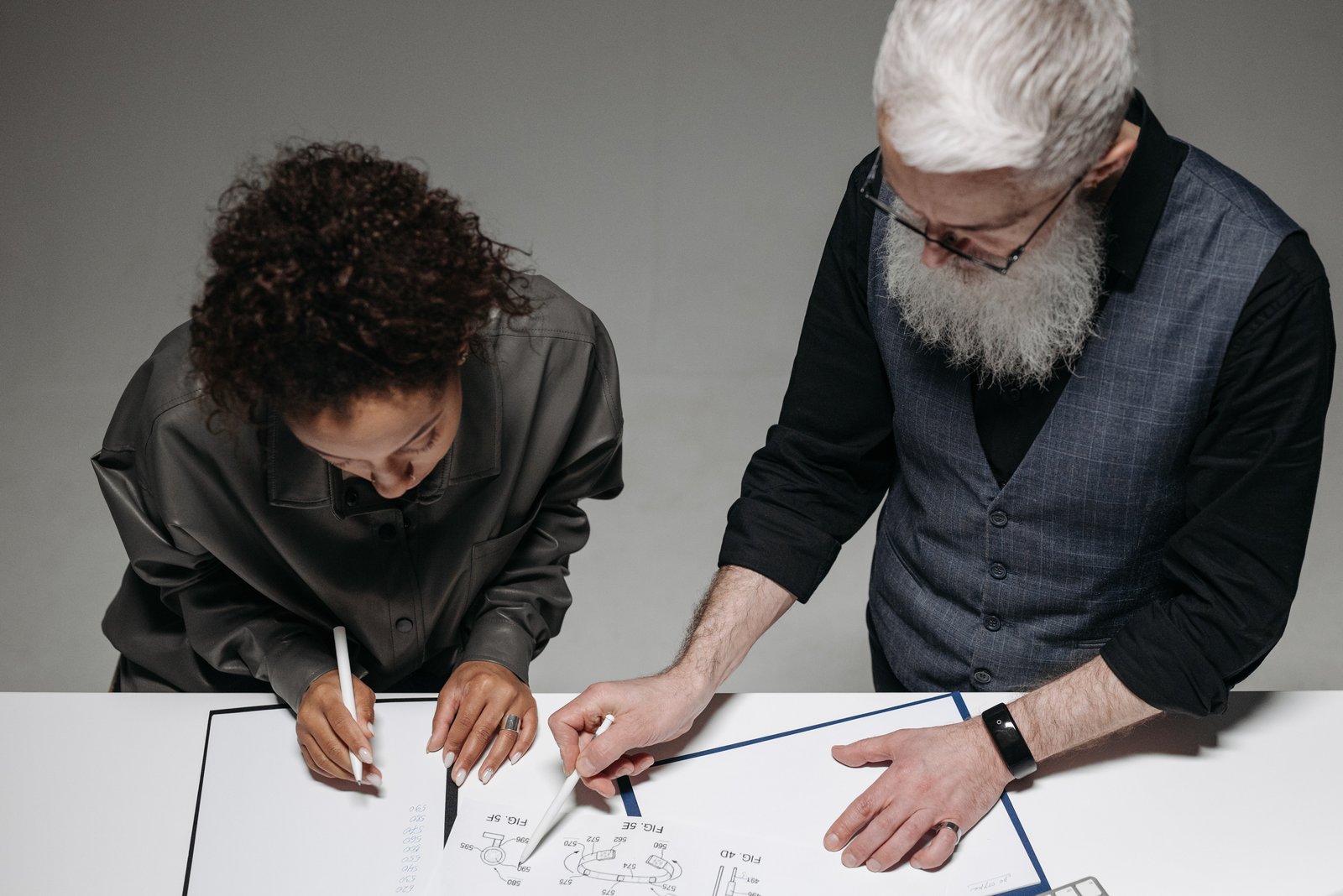
Product design is fundamental to creating any innovative, distinctive product. From the first idea to the final production run, the process involves…
Product design is fundamental to creating any innovative, distinctive product. From the first idea to the final production run, the process moves through a series of key stages that are essential to its success. In this article we look at the most important ones, from market research through to production and launch.
Designing a product goes far beyond simply creating an object. Good design is what separates an ordinary product from an exceptional one, which is why it matters so much that designers work to create unique, distinctive designs that reflect the personality and character of the brand. In an increasingly competitive market, good design is often the deciding factor that leads a customer to choose one product over another.
Design is much more than aesthetics. A good design has to be visually appealing, but also functional and easy to use, taking into account factors such as ergonomics, accessibility and sustainability. It is also key to setting a company apart from the competition: an original design raises the perceived quality of a product and improves its perceived value. From a business standpoint, it also boosts efficiency and productivity, lowers production and maintenance costs, and increases safety and durability.
The stages of the product design process
Market research and analysis. Before designing anything, you have to study the market and understand the needs and wants of potential customers, gathering data on the market, the competition and consumers, and spotting trends and opportunities.
Defining goals and requirements. Once the market has been analysed, you set the design goals and the requirements the product must meet: technical specifications, materials, the technology to be used and the key factors that will guarantee its functionality and quality.
Ideation and concept development. The aim here is to generate a large number of creative ideas and concepts, exploring different approaches through sketches, mock-ups or prototypes to visualise and evaluate them.
Detailed design. With the most promising ideas selected, the technical details are defined, technical drawings are produced, and the final models and plans are prepared for manufacturing.
Testing and evaluation. Tests are run to verify functionality and quality, along with prototypes and simulations of real-world use, identifying problems and opportunities for improvement and making the necessary adjustments.
Production and launch. Finally the product is manufactured to the defined specifications, and the packaging and go-to-market work is carried out.
Each of these stages is essential to creating a product that meets customers' needs. That is why it is so important to have a design team capable of solving every requirement: it brings a fresh, original perspective and deep experience, offering creative and technical solutions to every challenge. Bringing in an external team is a smart, cost-effective choice for companies that want to create distinctive, unique products that stand out in a competitive market.